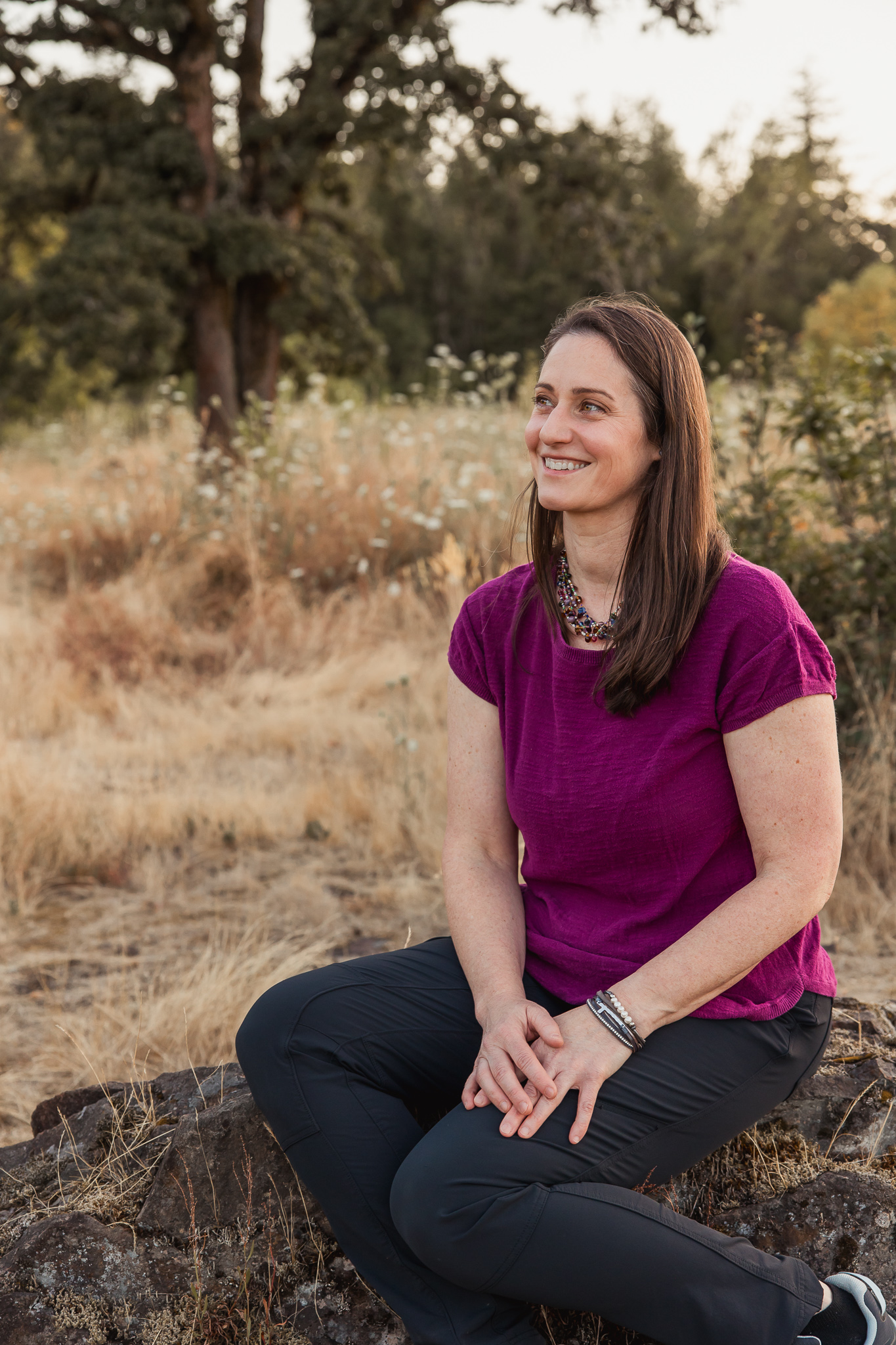
I am fascinated by how things work.
Bodies. People. Healthcare. Organizations. Technology. AI.
Once I understand a system, I want to know more. I look for patterns and relationships. I want to understand what the data tells us, what it doesn't tell us, and what we might be missing. And inevitably, I start wondering how the system could work better.
I'm glad you found this. Think of this site as the connective tissue for my thinking, practice, writing, and the things I'm actively building.

Context matters.
I started with patients. Then I spent years training and evaluating chiropractic students. I've worked in public health, healthcare technology, quality improvement, process improvement, training, and large-scale technology adoption. Eventually, I came back to seeing patients.
All of those vantage points changed what I notice.
A problem can look completely different depending on where you're standing. The exam room shows you one piece. Operations shows you another. Data shows you something else. So do technology, education, the business, and the person actually trying to navigate all of it.
I'm usually interested in the connections between those pieces, especially the ones that are easy to miss when you're looking at them one at a time.
Math, language, and a very complicated human system.
I think in systems, and I care about the language we use to describe our bodies and the state of our health because your body is listening!
The math degree probably makes more sense now. The associate's degree in sociolinguistics may take a little more explaining.
Math taught me to look for patterns, relationships, and data. I think of math as one of the languages of nature, a way we can understand what is happening in our bodies and how our bodies interact with the world around us.
Sociolinguistics taught me to pay attention to a different kind of language: the words we use, the meaning we give them, the context around them, and how language shapes what we understand and believe.
Healthcare gave me an extraordinarily complicated human system in which all of those things matter.
Maybe that's why I have never been very good at looking at a symptom, a person, a business, or a problem in isolation. I want to understand the relationships. I want the context. I want to know what the data tells us, what it doesn't tell us, and what we might be missing.
Math asks
What can we measure?
Sociolinguistics asks
What does it mean?
Healthcare forces me to ask both.
One model. Different ways of putting it to work.
The Health Ownership Model is the framework underneath my healthcare work.
Sustainable Alignment is where I apply it clinically. Body Learning Lab is where I turn that thinking into education, tools, and resources people can use outside the treatment room.
Different settings, same underlying question:
How do we help people understand what's happening in their bodies well enough to participate meaningfully in what happens next?
Sustainable Alignment
A healthcare practice built around understanding the whole story and helping people become more capable participants in their own health.
Body Learning Lab
Health education designed to help people understand their bodies, their health information, and the tools available to them.

Want to see what I'm working on?
Explore the projects, tools, frameworks, and experiments I've been building.